
AI Detection Academic Guide: What Students Need to Know
6 min read
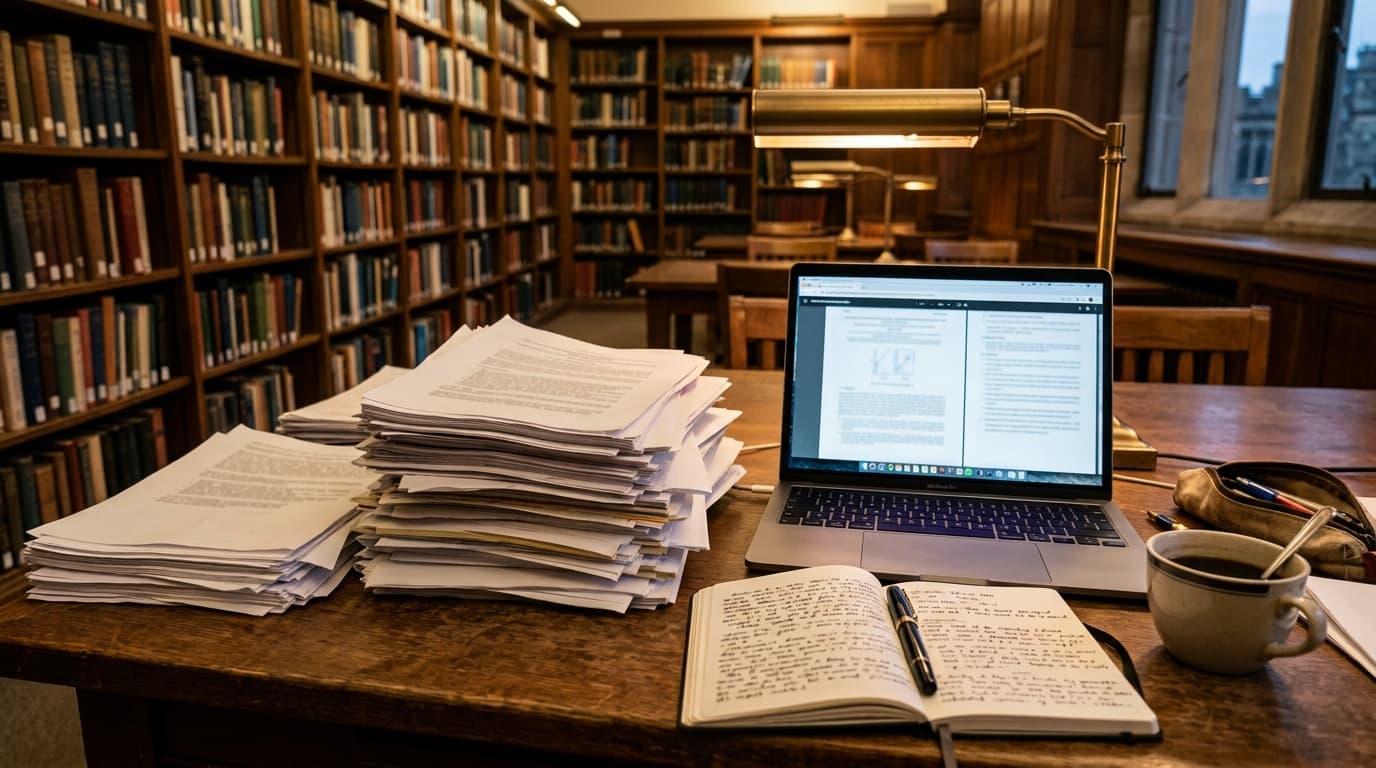
AI detection academic policies have become close to standard practice at many universities, often built directly into the same plagiarism-checking software instructors already used before generative AI existed. That means an AI-detection score can show up on a submission automatically, without a student ever being told the check ran, let alone what triggered it.
AI detection in academic settings today
AI-detection scanning has become close to standard practice at many universities, often bundled into the same plagiarism-checking software instructors already used before generative AI existed. Turnitin's AI writing indicator is the most widely deployed, since so many institutions already had Turnitin in place for plagiarism checks. See our dedicated guide to passing Turnitin's AI indicator for the specifics.
Which tools universities use

Want to humanize your AI text right now?
RewriteMate removes AI patterns and passes all major detectors, free for 500 words.
Try RewriteMate Free, 500 Words →Turnitin's AI writing indicator is the most widely deployed, since so many institutions already had Turnitin in place for plagiarism checks. GPTZero and ZeroGPT are also used, sometimes directly by individual instructors running a quick manual check on a submission that reads unusually polished for the course level. Outside the US, Compilatio is the standard tool at many French and European universities.
False positive rates and accuracy concerns
This is the part students most need to understand: these tools are not infallible, and false positives are a documented, ongoing problem. Formulaic academic writing, the kind explicitly taught in writing courses, can score as AI-generated even when a human wrote every word, because "clear topic sentences" and "smooth transitions" are exactly the stylistic habits detectors associate with machine text. Non-native English speakers are disproportionately flagged for the same reason: writing that follows textbook grammar rules closely reads as statistically uniform in the same way model output does.
What professors look for beyond a detection score
Most instructors who take this seriously don't rely on a detection score alone, a single number from a tool with known false-positive issues isn't enough to build an academic integrity case on. They look at whether the writing matches a student's demonstrated voice from earlier work, whether it engages with course-specific material in a way that suggests real understanding, and whether a follow-up conversation about the content holds up.
How to use AI as a tool without getting caught up in a false accusation
If you use AI assistance at any stage, brainstorming, drafting, editing, the safest practice is checking your specific institution's policy, since they vary widely, and making sure the final submission genuinely reflects your own understanding and voice, regardless of how it was drafted. A detection flag is far less likely, and far less consequential if it happens, when the underlying work is unmistakably yours.
The ethical use perspective
Using AI to help you think through a topic, structure an argument, or get past a blank page is different from submitting AI-generated ideas as your own original thinking. That distinction matters more than any detector score. RewriteMate is built to help you write more naturally, not to help anyone misrepresent work that isn't theirs, and you're responsible for following your institution's specific policy on AI-assisted writing.
If you're using Claude or another AI tool to help draft and want the final piece to read as unmistakably your own voice, see how the humanizer works, or read the 15 AI writing patterns that get flagged to understand exactly what these tools are scoring.
Frequently Asked Questions
How common is AI detection in academic settings now?
Very. It's built into plagiarism-checking software many universities already use, so a submission can be scanned automatically without a student being told.
Are AI detection tools accurate for academic writing?
Not perfectly. False positives are a documented problem, especially for formulaic academic writing and for non-native English speakers, whose writing can read as statistically uniform.
What do professors look at besides an AI detection score?
Whether the writing matches a student's demonstrated voice, whether it engages with course material in a way that suggests real understanding, and how a follow-up conversation holds up.
Is using AI for academic work always against the rules?
It depends on your institution's specific policy, which varies widely. Using AI to brainstorm or edit is different from submitting AI-generated ideas as your own original thinking.
Ready to make your text undetectable?
Join thousands of writers, students, and creators. First 500 words free, no sign-up required.
Humanize My Text Free →Read more guides →