
How to Humanize AI Text: The Complete Guide for 2026
8 min read
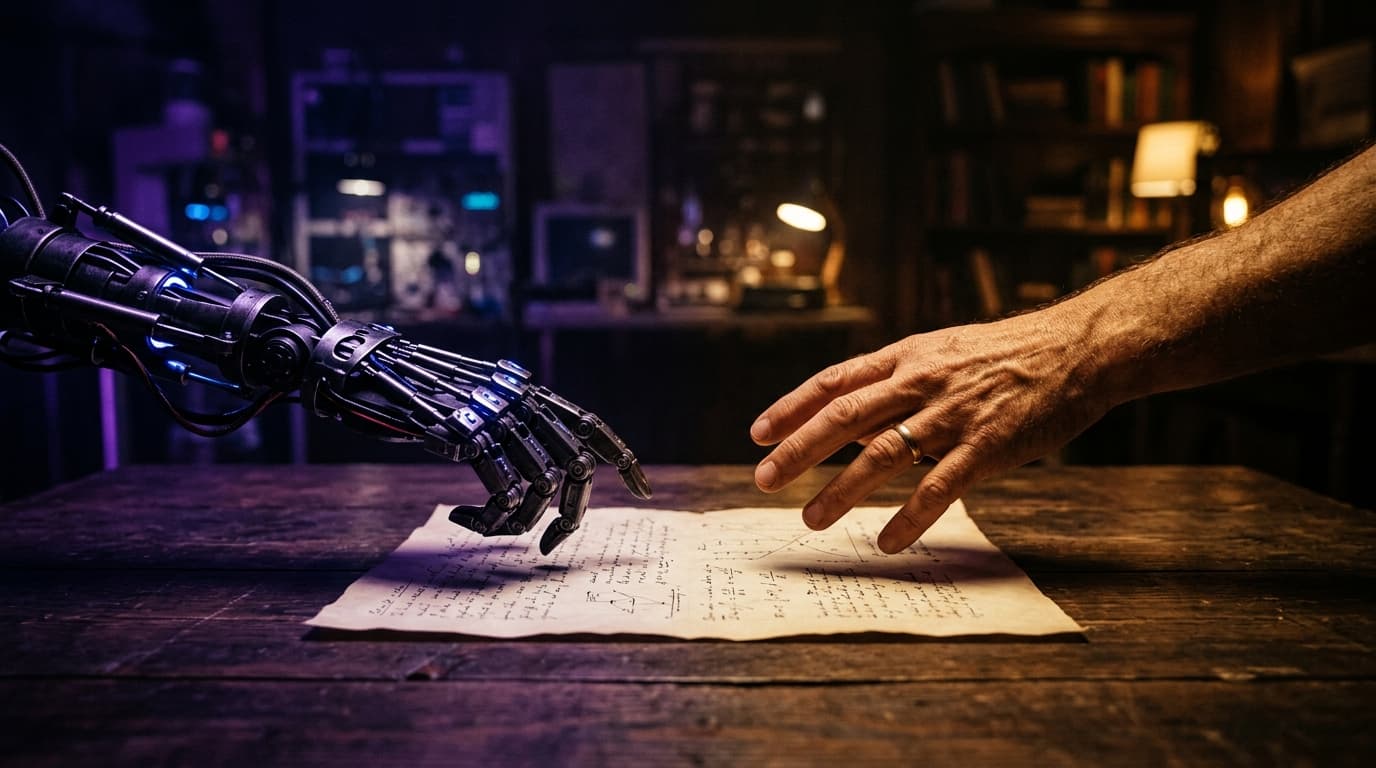
Learning how to humanize AI text is quickly becoming a basic writing skill, not a shortcut. Humanizing AI text isn't about hiding that you used an AI tool for a first draft, plenty of writers do, the same way people have used spell-check and grammar tools for decades. It's about closing the gap between how a model writes and how a person writes, so the final piece reads naturally and doesn't trip detectors built to flag machine-generated probability patterns. If you're specifically working from Claude drafts, our dedicated Claude watermark remover targets that model's particular tells.
How AI detectors actually work
Detectors like GPTZero and ZeroGPT don't "know" a human didn't write something. They estimate how predictable each word is given what came before it. Language models tend to choose the statistically likely next word more often than people do, people take detours, use unusual phrasing, and make small inconsistent choices. A high "predictability" score across a passage reads as machine-generated. Two properties matter most: perplexity (how surprising the word choices are) and burstiness (how much sentence length and rhythm vary). Human writing scores higher on both.
Manual techniques to humanize AI text
Want to humanize your AI text right now?
RewriteMate removes AI patterns and passes all major detectors, free for 500 words.
Try RewriteMate Free, 500 Words →- Vary sentence length aggressively. Follow a 25-word sentence with a 4-word one.
- Use contractions. "It's," "don't," "wouldn't", AI drafts often skip these by default.
- Cut the AI tells. Words like "moreover," "utilize," "delve," and "furthermore" are statistical giveaways.
- Add a personal register. A hedge ("arguably"), an aside in parentheses, a rhetorical question.
- Break the three-item habit. Models love grouping things in threes, split one item into its own sentence.
- Let a paragraph end somewhere other than a summary of its own opening line.
When to use a tool instead of doing it manually
Manual editing works well for short pieces, a paragraph, an email, a single essay. It gets impractical fast for anything longer, or when you need to process several drafts a week. That's the gap dedicated humanizer tools fill: applying the same techniques consistently, at speed, without you having to consciously track a dozen rules while you edit.
Best practices by context
Academic writing needs to keep its formal register while still breaking up rhythm, you're not trying to sound casual, just less uniform. Professional writing benefits from active voice and shorter paragraphs generally, which happens to also read as less machine-like. Creative writing has the most room to introduce voice: sensory detail, unusual verbs, sentence fragments used deliberately for effect.
How RewriteMate automates this
RewriteMate runs your text through mode-specific rewriting rules, five different modes tuned for the contexts above, then scores the result so you know where you stand before you submit or publish anything. Every mode is built around one hard constraint: no new facts, no invented details, no changed arguments. Only the phrasing changes. If your draft came specifically from ZeroGPT-flagged AI text, see what actually lowers a ZeroGPT score for detector-specific tips.
Ready to see it on your own text? Try the free humanizer, your first 500 words don't need a credit card.
Frequently Asked Questions
What does it mean to humanize AI text?
It means closing the gap between how a model writes and how a person writes, so detectors built to catch machine-generated probability patterns don't flag it, without changing the underlying facts or arguments.
Can I humanize AI text manually without a tool?
Yes, for short pieces. Vary sentence length, add contractions, cut flagged vocabulary like "moreover" and "utilize," and let paragraphs end on a new thought. It gets slow for anything longer than a page.
Does humanizing AI text work on both ChatGPT and Claude output?
Yes, the same techniques apply to either source since the underlying "tells," uniform sentence length, formulaic transitions, overlap heavily between models.
Is it dishonest to humanize AI text?
Not inherently. Humanizing changes phrasing, not substance, RewriteMate's modes are built around one rule: no new facts, no invented details, no changed arguments.
Ready to make your text undetectable?
Join thousands of writers, students, and creators. First 500 words free, no sign-up required.
Humanize My Text Free →Read more guides →