
How to Pass GPTZero in 2026: Perplexity, Burstiness & What Works
6 min read

If you're trying to figure out how to pass GPTZero, it helps to know it's scoring two very specific things: perplexity and burstiness, not vibes, not vocabulary alone. GPTZero was one of the first detectors built specifically for academic use, and it remains one of the most widely cited by name in classrooms and newsrooms alike, which is exactly why getting a clean score on it matters.
What GPTZero actually measures: perplexity and burstiness
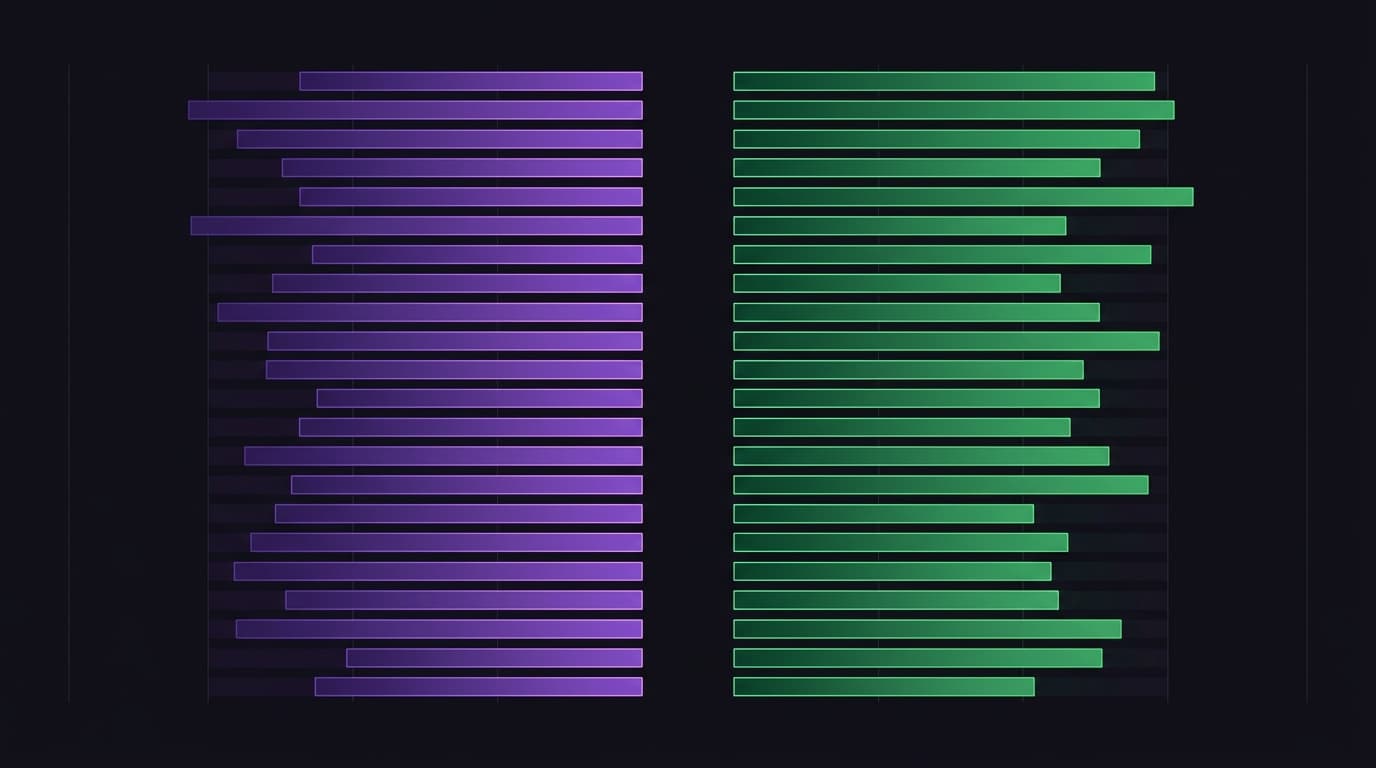
GPTZero scores two specific properties rather than a general "AI feel." Perplexity measures how surprising your word choices are, models tend to pick the statistically likely next word more often than people do, so lower perplexity reads as more machine-like. Burstiness measures how much your sentence length and rhythm vary across a passage, human writing is "bursty," mixing long and short sentences; AI writing tends to stay in a narrower band.
Why GPTZero is different from ZeroGPT and Originality.ai
Want to humanize your AI text right now?
RewriteMate removes AI patterns and passes all major detectors, free for 500 words.
Try RewriteMate Free, 500 Words →Where ZeroGPT and Originality.ai report a single blended score, GPTZero is more transparent about the two underlying metrics, which makes it easier to diagnose exactly why a passage got flagged. If your burstiness is low, the fix is sentence-length variation. If your perplexity is low, the fix is vocabulary and phrasing. See what actually lowers a ZeroGPT score for how the two detectors' techniques overlap.
Step-by-step: how to pass GPTZero
- Paste your draft into RewriteMate
- Select Maximum mode if you need the lowest possible score, or Academic/Professional for a more formal register
- Click Humanize, the output deliberately varies sentence length and drops flagged vocabulary
- Check the estimated detection score before you submit
- Run the final version through GPTZero directly to confirm both perplexity and burstiness read as human
Common mistakes that keep your GPTZero score high
Synonym-swapping is the biggest one, replacing "utilize" with "use" changes vocabulary but not sentence rhythm, and burstiness is exactly what GPTZero weighs heavily. The second common mistake is fixing only the first paragraph and assuming the rest of the document inherits the improvement, GPTZero scores the whole passage, so uneven editing leaves an easy tell. See the 15 AI writing patterns that get flagged for the full list of tells GPTZero and other detectors share.
Verifying your result
GPTZero's report breaks down perplexity and burstiness separately, so use that detail: if one metric still reads low after a rewrite, target it specifically rather than re-running the same edit and hoping for a different result.
Want to see your own draft's perplexity and burstiness improve in real time? Try RewriteMate free, your first 500 words don't require a credit card.
Frequently Asked Questions
What do perplexity and burstiness mean on GPTZero?
Perplexity measures how surprising your word choices are, human writing scores higher. Burstiness measures how much your sentence length varies, again, human writing scores higher.
What GPTZero score counts as human-written?
GPTZero reports a probability rather than a hard cutoff, but a result showing "likely human" with low AI probability is generally treated as passing.
Is GPTZero harder to pass than ZeroGPT?
They score similar underlying signals but weight them differently. Text that passes GPTZero's perplexity and burstiness checks usually does well on ZeroGPT too.
How fast can I get a GPTZero bypass with RewriteMate?
Maximum mode is built specifically to maximize both perplexity and burstiness at once, in our testing it brought AI-flagged input down to a low single-digit range in seconds.
Ready to make your text undetectable?
Join thousands of writers, students, and creators. First 500 words free, no sign-up required.
Humanize My Text Free →Read more guides →